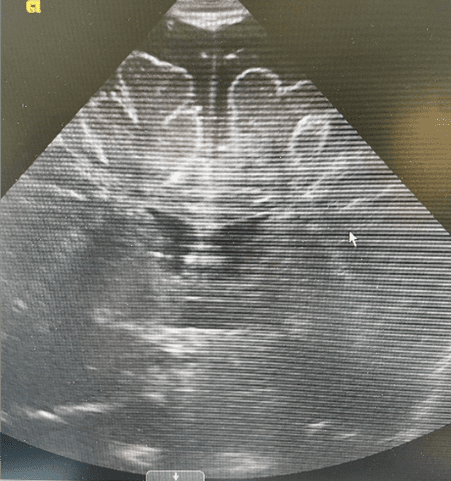
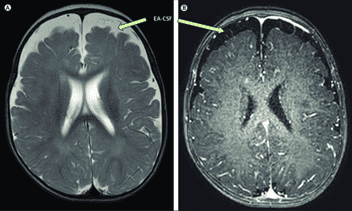
When your child is diagnosed with hydrocephalus, you need answers that are clear, timely, and grounded in pediatric neurosurgery experience. At New Jersey Pediatric Neuroscience Institute in Morristown, NJ, our team provides evaluation, treatment planning, surgery, and long-term follow-up for infants, children, teens, and young adults with conditions affecting the brain, spine, and nervous system. Families searching for hydrocephalus treatment Morristown NJ can turn to NJPNI for care that is focused on both the medical needs of the patient and the concerns of the family.
Hydrocephalus occurs when too much cerebrospinal fluid builds up in or around the brain. This extra fluid can increase pressure and affect development, comfort, movement, vision, feeding, learning, and daily function. Some signs appear early in infancy, while others become noticeable as a child grows. Because every patient is different, families benefit from a careful evaluation by doctors who understand pediatric brain and spine conditions.
NJPNI focuses on family-centered care. That means we take time to explain what is happening, what tests may be needed, which treatment options may be appropriate, and what to expect before and after surgery. Our goal is to help you make informed decisions and feel supported through each step of care.
To request an appointment, contact our Morristown office and speak with our team about the next step for your child.
Pediatric Hydrocephalus Care for Infants, Children, and Young Adults
Hydrocephalus can affect infants, children, adolescents, and young adults. Some children are diagnosed before birth or soon after delivery. Others develop symptoms later because of infection, bleeding, trauma, tumor, Chiari malformation, spina bifida, or another condition that affects the movement or absorption of fluid around the brain.
In babies, parents may notice rapid head growth, a bulging soft spot, poor feeding, vomiting, unusual eye movement, or increased fussiness. In older children and teens, symptoms may include headaches, nausea, trouble walking, changes in behavior, problems with attention, or a decline in coordination. These signs can overlap with many other medical issues, so specialist evaluation matters.
NJPNI evaluates each patient based on age, symptoms, imaging, medical history, and development. The care plan may involve monitoring, further testing, surgery, or coordination with other pediatric specialists. Families are encouraged to ask questions and share what they have noticed at home, since those details can help guide care.
Understanding Hydrocephalus and Cerebrospinal Fluid
Cerebrospinal fluid surrounds the brain and spinal cord. It helps cushion the nervous system and supports normal brain and spine function. Hydrocephalus develops when this fluid builds up and cannot move or drain the way it should. As fluid collects, pressure can rise inside the skull and affect delicate brain tissue.
The cause of hydrocephalus is not the same for every child. Some cases are related to a blockage in the normal fluid pathways. Others involve problems with absorption. Some children have hydrocephalus along with another neurologic or developmental condition. Understanding the cause helps the neurosurgery provider recommend the right treatment plan.
Parents do not need to have all the answers before requesting an appointment. If imaging has shown enlarged ventricles, excess fluid, or another concern involving the brain, NJPNI can review the findings and explain what they may mean for your child.
Signs and Symptoms Parents Should Watch For
Hydrocephalus symptoms can appear suddenly or develop gradually. The signs may look different depending on the child’s age, development, and medical history. Some children show clear physical changes, while others have symptoms that affect behavior, coordination, learning, or energy.
| Age Group |
Possible Signs to Watch For |
| Infants |
Rapidly increasing head size, a full or tense soft spot, vomiting, irritability, sleepiness, poor feeding, or eyes that seem to look downward. |
| Toddlers and School-Age Children |
Headache, nausea, balance problems, vision changes, developmental delays, or changes in energy and behavior. |
| Older Children and Teens |
Headaches, trouble focusing, dizziness, problems with coordination, or changes in school performance. |
Some children may seem tired, withdrawn, or unlike themselves. Any new or worsening neurologic symptom should be taken seriously, especially when there is a known history of hydrocephalus, shunt placement, or another brain condition.
You should contact a medical professional promptly if your child has symptoms that are new, worsening, or concerning. A pediatrician may refer your family to a pediatric neurosurgery provider when imaging shows enlarged ventricles, increased fluid, or another finding that may need specialty care.
Diagnosis and Treatment Options
At NJPNI, evaluation may include a detailed medical history, physical exam, neurologic assessment, review of prior imaging, and discussion of your child’s symptoms. When needed, the team may recommend additional imaging or coordination with pediatric neurology, ophthalmology, developmental specialists, or other providers involved in your child’s care.
When to Seek a Pediatric Neurosurgery Evaluation
The first visit is also a time for parents and caregivers to ask questions. Common questions include:
What does the imaging show?
Is treatment needed now?
What are the risks of waiting?
Which surgery may be recommended?
What should we watch for at home?
How often will follow-up be needed?
Clear answers help families move from uncertainty to a care plan.
How Diagnosis Guides Treatment Options
Not every child with extra fluid needs the same treatment. The right plan depends on the cause, age of the patient, symptoms, imaging findings, medical history, and whether pressure is affecting the brain.
Some children need close monitoring. Others need surgery to redirect fluid and reduce pressure. Hydrocephalus is most often treated with a procedure that helps cerebrospinal fluid drain safely. In certain cases, the surgeon may discuss endoscopic third ventriculostomy, known as ETV, or another approach based on the anatomy of the ventricles and the cause of the blockage.
Families do not have to understand every medical detail before asking for help. The role of the specialist is to explain the findings, outline the options, and recommend a plan that fits the patient’s needs.
Shunt System Placement and What to Expect Before, During, and After Surgery
For many patients, hydrocephalus surgery involves surgically inserting a shunt system. A shunt is a small device that redirects excess fluid from the brain to another area of the body, often the abdomen, where it can be absorbed. This helps manage pressure and protect brain function.
A brain shunt is usually placed while the child is under general anesthesia. The surgeon makes small incisions, positions the catheter, and places the valve system so fluid can drain at a controlled rate. The details of the operation vary based on the child’s age, anatomy, diagnosis, and prior medical history.
A shunt system may include tubing and a valve that helps control the flow of fluid. The goal is to move fluid away from the brain so pressure can be managed. Families receive instructions on what to expect after surgery and which symptoms may signal a possible problem.
Shunt systems can work well for many children, but they require follow-up. A shunt may need evaluation if symptoms return or if there are signs of blockage, infection, or malfunction. NJPNI helps families understand what to watch for and when to call.
What Families Can Expect before Surgery
Before surgery, the NJPNI team reviews your child’s diagnosis, imaging, and medical needs. Parents receive instructions about eating and drinking before anesthesia, medications, arrival time, and what to bring to the hospital or surgical setting. The team also explains the goals of the procedure, expected recovery, and signs that should be reported after discharge.
This preparation can help reduce fear for both parents and patients. Younger children may need simple reassurance and comfort items. Older children and teens may want to understand what will happen, how they may feel afterward, and when they can return to school or activities.
What Happens During the Procedure
During shunt surgery, the surgical team works to create a safe pathway for spinal fluid to drain away from the ventricles. A valve helps regulate flow. The destination site is chosen based on the patient’s needs, with the abdomen being a common location.
The care team monitors the patient closely during anesthesia and recovery. After the procedure, nurses and doctors watch for pain, fever, vomiting, changes in alertness, incision concerns, and neurologic changes. Imaging may be used when needed to confirm placement or assess progress.
Recovery and Follow-Up Care
Recovery varies. Some patients improve quickly as pressure is relieved, while others need time for symptoms to settle. Your child’s team will provide instructions for incision care, activity limits, bathing, medication, school return, and follow-up visits.
Follow-up care is a major part of long-term management. A shunt can help manage hydrocephalus long term, but it needs regular monitoring because blockage, infection, malfunction, or revision surgery can occur. Parents are taught to watch for possible signs of malfunction or infection, such as headache, vomiting, fever, swelling near the incision, irritability, sleepiness, vision changes, or a return of earlier symptoms.
Do Kids Outgrow Shunts?
Children usually do not simply outgrow a shunt. Some patients may need adjustments, revisions, or additional evaluation as they grow. The need for future care depends on the child’s diagnosis, how the device is functioning, and whether symptoms or imaging change over time.
Why Families Choose NJPNI in Morristown, NJ
Choosing hydrocephalus doctors for your child can feel overwhelming. Families want medical skill, but they also need communication, patience, and a team that understands how stressful a neurosurgical diagnosis can be.
New Jersey Pediatric Neuroscience Institute provides pediatric neurology and neurosurgery care for patients with a wide range of brain, spine, and nervous system conditions. The Morristown office gives families in Morris County and nearby communities access to specialty care close to home.
Pediatric Neurosurgery Experience
Children are not small adults. Their nervous systems are still developing, and their care requires training focused on pediatric anatomy, development, communication, and family support. NJPNI’s team works with infants, children, adolescents, and young adults, with care plans shaped around each patient’s stage of growth.
For hydrocephalus, experience matters because treatment may involve diagnosis, imaging review, surgical planning, postoperative care, long-term monitoring, school-related concerns, and coordination with other specialists. Families benefit from a team that can support the full care path.
Care That Includes the Whole Family
A diagnosis affects the entire household. Parents may feel pressure to make decisions quickly while also managing fear, work, siblings, school, transportation, and insurance questions. NJPNI’s care model is built around communication and support.
At appointments, the team aims to explain medical findings in plain language. Families are encouraged to ask questions, share observations, and speak up about changes they see at home. That information can help doctors understand how the condition is affecting the patient’s daily life.
Coordination With Other Specialists
Some patients need care beyond surgery. Depending on the child’s needs, care may involve pediatric neurology, developmental evaluation, physical therapy, school support, nutrition, psychology, or other medical providers.
NJPNI helps families understand which services may be helpful and how follow-up should be organized. This coordinated approach can make the process easier to manage, especially for patients who need long-term monitoring.
Support before and After the Office Visit
Families often think of treatment as the surgery itself, but support before and after the visit matters. NJPNI provides patient resources, forms, postoperative instructions, and guidance for families navigating care. The office team can help with scheduling and appointment questions so families know how to move forward.
If your child has already been diagnosed, you can bring prior imaging, reports, hospital records, and a list of symptoms or questions. If you are seeking another opinion, the team can review available information and discuss what may be recommended next.
Additional Resources:
There are a number of places that have additional information about hydrocephalus. Here are a few you may find helpful:
National Hydrocephalus Foundation: www.nhfonline.org
Hydrocephalus Association: https://www.hydroassoc.org/
Journal of Neurosurgery: https://thejns.org/pediatrics/view/journals/j-neurosurg-pediatr/14/Supplement_1/j-neurosurg-pediatr.14.issue-Supplement_1.xml
Frequently Asked Questions
1. What kind of doctor treats hydrocephalus?
Hydrocephalus is typically diagnosed and treated by a neurosurgeon. Children with hydrocephalus are often cared for by a pediatric neurosurgeon, while neurologists, pediatricians, and other specialists may also be involved in ongoing care.
2. What are the 4 types of hydrocephalus?
The four main types of hydrocephalus are congenital hydrocephalus, acquired hydrocephalus, communicating hydrocephalus, and normal pressure hydrocephalus (NPH). Each type has different causes and treatment considerations.
3. What age does hydrocephalus start?
Hydrocephalus can develop at any age. It may be present before birth, diagnosed during infancy or childhood, or occur later in adulthood due to injury, infection, tumors, or other neurological conditions.
4. What is the danger of hydrocephalus?
The primary danger of hydrocephalus is increased pressure inside the skull, which can damage brain tissue. Without treatment, it may lead to developmental delays, vision problems, learning difficulties, seizures, and other neurological complications.
5. At what age is hydrocephalus diagnosed?
Hydrocephalus can be diagnosed at any age, but it is most commonly identified during infancy or early childhood. Some forms may not be diagnosed until adolescence or adulthood.
6. Can hydrocephalus cause death?
Severe untreated hydrocephalus can be life-threatening. However, early diagnosis, proper treatment, and regular medical follow-up greatly improve outcomes and reduce the risk of serious complications.
7. Can hydrocephalus cause sudden death?
Although uncommon, severe untreated hydrocephalus or complications such as shunt malfunction can become medical emergencies. Immediate medical attention is important if symptoms suddenly worsen.
8. What is the best hospital or practice for hydrocephalus care?
The best care is provided by an experienced pediatric neurosurgery team that offers comprehensive evaluation, advanced imaging, individualized treatment plans, and long-term follow-up based on each patient's needs.
9. What is the life expectancy of a person with hydrocephalus?
Life expectancy varies from person to person. With appropriate treatment and ongoing monitoring, many individuals with hydrocephalus are able to enjoy a normal or near-normal lifespan.
10. Is hydrocephalus surgery always needed?
Not always. While many patients require surgical treatment such as a shunt or endoscopic third ventriculostomy (ETV), some cases may only require monitoring depending on symptoms, imaging findings, and disease progression.
11. What should parents watch for after shunt placement?
Parents should watch for symptoms such as fever, vomiting, headaches, excessive sleepiness, irritability, redness or swelling near the incision, vision changes, or a return of hydrocephalus symptoms. Contact the care team promptly if any concerns arise.
```
Schedule an Appointment for Hydrocephalus Treatment in Morristown, NJ
If your child has been diagnosed with hydrocephalus, has symptoms that may point to increased fluid or pressure, or needs follow-up after prior treatment, New Jersey Pediatric Neuroscience Institute is ready to help.
Our Morristown team provides pediatric neurosurgery evaluation, treatment planning, surgical care when needed, and ongoing support for patients and families. We will help you understand the diagnosis, review available treatment options, and plan the next step with your child’s comfort and long-term health in mind.
Contact NJPNI to schedule an appointment with our pediatric neurosurgery team in Morristown, NJ.