
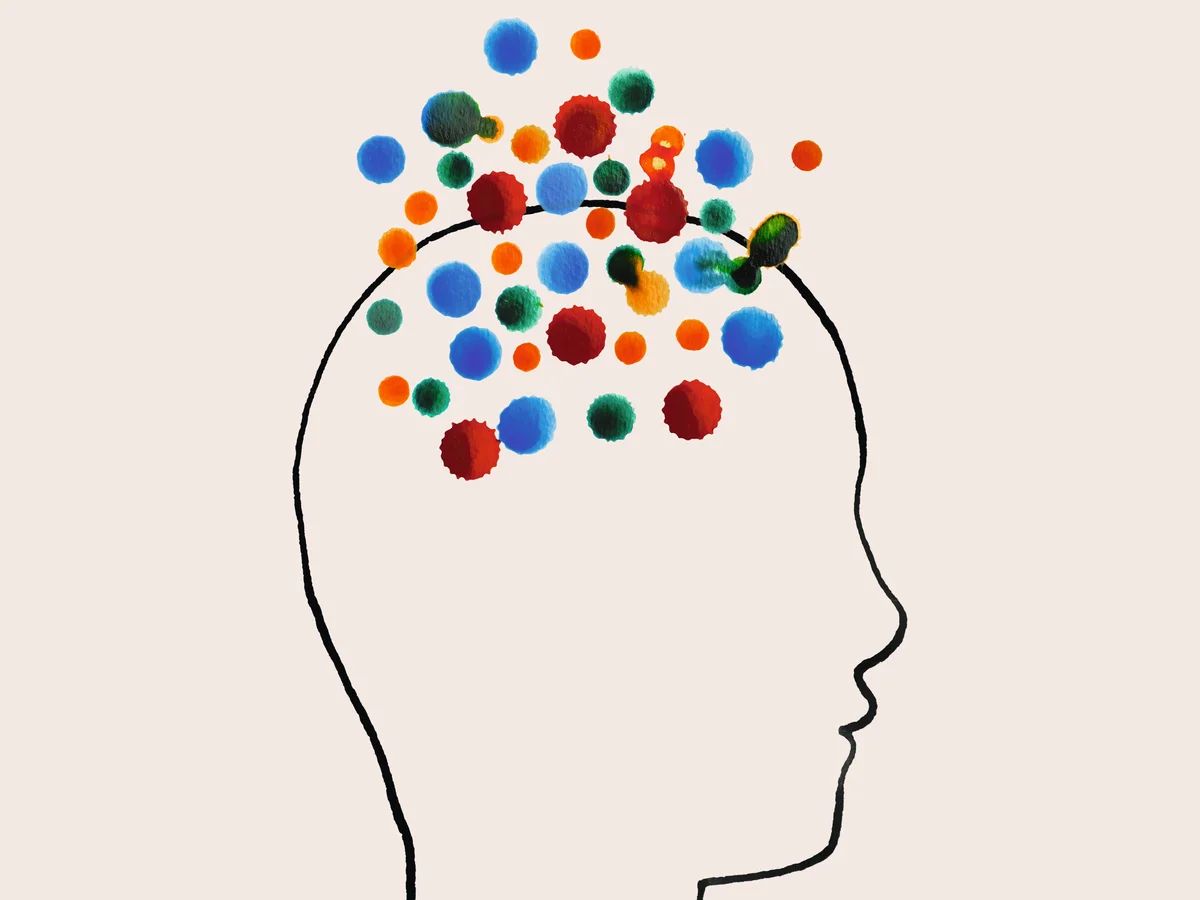
Attention-Deficit/Hyperactivity Disorder (ADHD) is one of the most common neurodevelopmental conditions in children. While ADHD is often discussed in terms of behavior, its roots lie in how a child’s brain develops and functions. Understanding the neurological basis of ADHD can help parents recognize symptoms early and seek appropriate care.
What Is ADHD?
ADHD is a neurodevelopmental disorder characterized by difficulties with attention, impulse control, and hyperactivity. These challenges are not due to poor parenting or lack of discipline they are linked to differences in brain structure, chemistry, and connectivity.
Read More Blogs: The Role of Pediatric Neurologists in Diagnosing ADHD
How the Brain Is Involved in ADHD
1. Differences in Brain Structure
Research shows that certain brain areas develop differently in children with ADHD, particularly:
- Prefrontal cortex (responsible for attention, planning, and impulse control)
- Basal ganglia (helps regulate movement and behavior)
- Cerebellum (involved in coordination and timing)
These regions may mature more slowly, affecting a child’s ability to focus and self-regulate.
2. Neurotransmitter Imbalances
Neurotransmitters are chemical messengers that allow brain cells to communicate. In children with ADHD:
- Dopamine levels may be lower, affecting motivation and reward processing
- Norepinephrine may not function efficiently, impacting alertness and attention
These imbalances explain why stimulant medications can improve focus and behavior.
3. Altered Brain Connectivity
Pediatric ADHD is also associated with weaker communication between brain networks, especially those involved in:
- Sustained attention
- Emotional regulation
- Executive functioning
This can lead to distractibility, impulsive behavior, and difficulty completing tasks.
Early Neurological Signs of ADHD in Children
While symptoms vary, common neurological and behavioral signs include:
- Difficulty sustaining attention
- Poor impulse control
- Excessive movement or restlessness
- Trouble organizing tasks
- Emotional outbursts or frustration
These signs often become noticeable in preschool or early school years.
How Is ADHD Diagnosed?
There is no single test for ADHD. Diagnosis involves:
- Detailed developmental and behavioral history
- Neurological and cognitive assessments
- Input from parents and teachers
- Ruling out other neurological or developmental conditions
Early evaluation ensures children receive the support they need during critical developmental stages.
Why Early Neurological Evaluation Matters
Identifying ADHD early allows for:
- Targeted behavioral therapy
- Academic accommodations
- Medication when appropriate
- Improved long-term outcomes
A neurological approach helps differentiate ADHD from learning disorders, anxiety, or sensory processing issues.
Final Thoughts
ADHD is not a behavioral flaw it is a brain-based condition rooted in neurological development. With early diagnosis and individualized care, children with ADHD can thrive academically, socially, and emotionally.
If your child shows persistent attention or behavioral challenges, a pediatric neurological evaluation can provide clarity and direction.
Schedule a Pediatric Neurology Consultation
New Jersey Pediatric Neuroscience Institute
Expert neurological care for children across New Jersey.