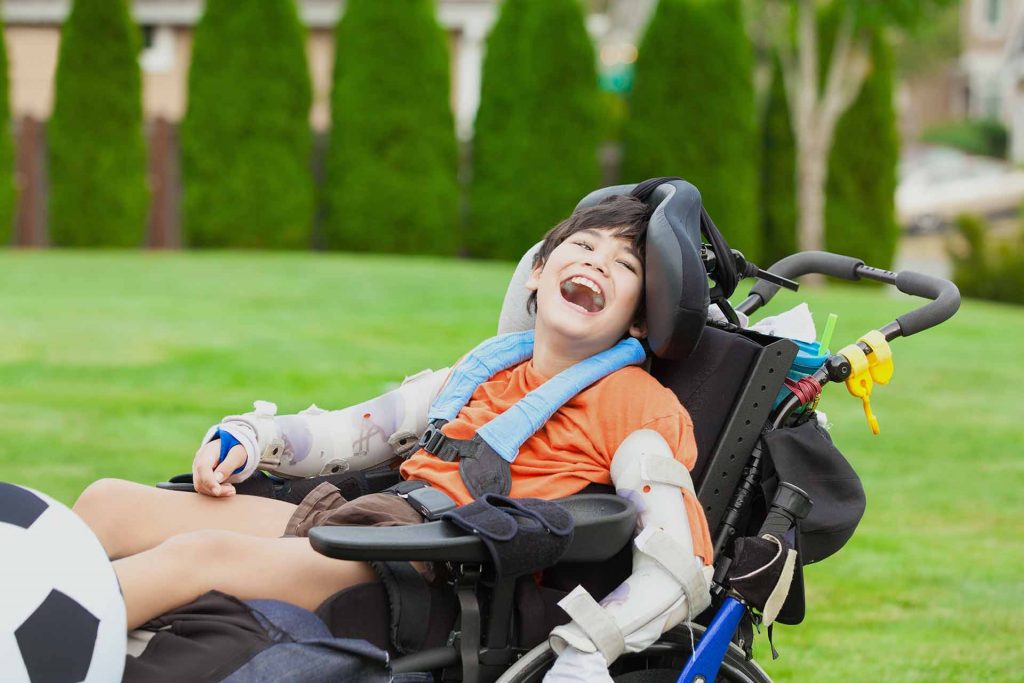
Cerebral palsy is a group of lifelong conditions that affect movement, muscle tone, and posture, caused by differences in brain development or an early brain injury. Early signs of cerebral palsy in babies can include delayed milestones, stiff or floppy muscles, and favoring one side. With early therapy, many children make meaningful progress.
What Is Cerebral Palsy?
Cerebral palsy (CP) is the most common motor disability of childhood. The word "cerebral" refers to the brain, and "palsy" refers to weakness or problems with movement. CP happens when the parts of the brain that control movement develop differently or are injured, most often before or around the time of birth.
CP affects how a child moves, holds their posture, and coordinates their muscles. Some children have mild effects and walk independently, while others need more support for movement and daily activities. Many children with CP also have typical intelligence, though some have related conditions such as seizures, or challenges with vision, hearing, speech, or learning.
Importantly, CP looks different in every child. Understanding your child's specific pattern is the first step toward the right support.
How Common Is It?
Cerebral palsy is described by health authorities as the most common motor disability in childhood, though exact prevalence figures vary by source and region. It occurs in children across all backgrounds. Rates tend to be higher among babies born prematurely or with a very low birth weight.
If your child has just been diagnosed, know that a large community of families, therapists, and specialists understands this condition well. There are established, effective ways to support movement, communication, and quality of life.
Causes & Risk Factors
CP is usually caused by abnormal brain development or damage to the developing brain that affects movement control. In many children, a single clear cause is never identified. Causes and risk factors are often grouped by when they occur.
Prenatal
Most cases are linked to factors before birth. These can include disruptions in brain development, certain infections during pregnancy, problems with blood or oxygen supply to the developing brain, genetic factors, and stroke in the developing baby. Premature birth and low birth weight are among the most recognized risk factors.
Birth
A smaller share of cases relate to events around the time of birth, such as significant oxygen deprivation. Complications during a difficult delivery can play a role in some children. Related conditions in the newborn period, such as hydrocephalus, can sometimes co-occur and are evaluated by specialists.
Postnatal
A minority of cases develop after birth, during infancy or early childhood. Causes can include serious infections such as meningitis or encephalitis, a significant head injury, or a stroke. This is sometimes called acquired cerebral palsy.
Early Signs in Infants & Toddlers
Early signs of cerebral palsy in babies often show up as differences in muscle tone and delays in reaching milestones. Signs can be subtle and change with age. A single sign is not a diagnosis, but patterns are worth discussing with your child's doctor.
By around 3 to 6 months, you might notice a baby whose head lags when picked up, who feels stiff or unusually floppy, or who overextends the back and neck. By 6 to 10 months, a baby may not roll over, may reach with only one hand while keeping the other fisted, or may seem to favor one side of the body.
As a child approaches toddlerhood, cerebral palsy symptoms in a toddler can include not sitting or crawling on time, not walking by the expected range, walking on tiptoes, a scissored or stiff gait, or clumsy, uncoordinated movements. Some toddlers have trouble with fine motor tasks or feeding.
Trust your instincts. If something feels off, an evaluation offers answers and, when needed, an early start on support.
Types of CP & GMFCS Levels
CP is classified by the movement patterns it produces and by how much it affects function. The Gross Motor Function Classification System (GMFCS) is a widely used five-level scale describing a child's mobility, from walking without limitations (Level I) to needing a powered or manual wheelchair (Level V). The table below summarizes the main types.
| Type of CP | Key Movement Pattern | Common Features |
|---|---|---|
| Spastic | Stiff muscles, increased tone | Most common type; tight movements, may affect one side or both legs/arms |
| Dyskinetic | Involuntary, uncontrolled movements | Twisting, writhing, or abrupt motions; tone may shift between stiff and floppy |
| Ataxic | Poor balance and coordination | Shaky movements, unsteady walking, difficulty with precise tasks |
| Mixed | Combination of types | Features of more than one type, often spastic plus dyskinetic |
Spastic
Spastic CP is the most common form. Muscles are stiff and tight because of increased tone, which can make movement effortful. It is often described by the body parts affected, such as one side of the body or primarily the legs.
Dyskinetic
Dyskinetic CP involves involuntary movements that can be slow and writhing or quick and jerky. Muscle tone may fluctuate. Speaking, swallowing, and controlling posture can be affected.
Ataxic
Ataxic CP mainly affects balance and coordination. Children may walk with an unsteady, wide-based gait and have difficulty with quick or precise movements, such as reaching for an object.
Mixed
Some children have features of more than one type, most often spastic and dyskinetic together. Care is tailored to the specific mix of symptoms.
How CP Is Diagnosed
Diagnosis is a process rather than a single test. A specialist reviews the pregnancy and birth history, tracks developmental milestones, and performs a detailed physical and neurological exam to assess movement, reflexes, tone, and posture.
Imaging, most often an MRI of the brain, can reveal differences or injuries in the brain and help clarify the picture. Additional tests may rule out other conditions or check for related concerns such as seizures. Because early signs evolve, some children are monitored over time before a diagnosis is confirmed. CP is one of several common pediatric neurological conditions a specialist can evaluate.
Treatment Options
There is no single cure for cerebral palsy, but many effective treatments can improve movement, comfort, and independence. Care works best as a coordinated, multidisciplinary plan that grows with your child.
PT / OT
Physical therapy helps build strength, flexibility, balance, and mobility, while occupational therapy focuses on daily skills like dressing, eating, and play. Speech therapy supports communication and, when needed, feeding and swallowing. Our overview of physical therapy for children with cerebral palsy explains what to expect. Therapy is often the foundation of care.
Spasticity Management
For children with tight, stiff muscles, several approaches can reduce spasticity and improve function and comfort. These may include oral medications, targeted injections, or other treatments a specialist recommends. Learn more about spasticity management and how it fits into a broader plan.
Surgery
Some children benefit from surgical procedures to improve movement, reduce muscle tightness, or correct bone and joint issues. Whether surgery is appropriate depends on the child's specific needs and is discussed carefully with the family and care team.
Can Early Intervention Improve Outcomes?
Early intervention is widely encouraged because a young child's brain is highly adaptable. Starting therapy early can help children build motor skills, communication, and independence, and can support families with tools and confidence.
Early intervention does not guarantee any specific result, and it is not a cure. Still, many families find that beginning support sooner, and staying consistent, helps their child make meaningful progress. It is never too late to start, and small gains add up over time.
Living With Cerebral Palsy
Many children with CP lead full, joyful lives, attending school, forming friendships, and pursuing their interests. Because CP is not progressive, the underlying brain difference does not worsen over time, though symptoms can change as a child grows and may need ongoing management.
Support often extends beyond therapy to include assistive devices, school accommodations, and care for related conditions. Families do best with a steady team and good information. Caring for yourself as a parent matters too, so lean on support networks and your child's care team.
Frequently Asked Questions
What are the early signs of cerebral palsy in babies?
Early signs can include stiff or floppy muscles, poor head control, delayed rolling, sitting, or crawling, and favoring one hand or side before it is typical. Feeding difficulties and unusual posture may also appear. A single sign is not a diagnosis, so share any concerns with your child's doctor for evaluation.
Is cerebral palsy progressive?
No. Cerebral palsy is not progressive, meaning the original brain difference or injury does not get worse over time. However, symptoms such as muscle tightness can change as a child grows and may need ongoing management. Consistent therapy and care help maintain and often improve function throughout childhood.
What causes cerebral palsy?
CP results from abnormal brain development or injury to the developing brain that affects movement control. Causes can occur before birth, around birth, or in early childhood, and include factors like prematurity, infections, reduced oxygen or blood flow, stroke, or head injury. In many children, a single clear cause is never identified.
What are the main types of cerebral palsy?
The main types are spastic (stiff muscles), dyskinetic (involuntary movements), ataxic (balance and coordination difficulties), and mixed (a combination). Spastic CP is the most common. Doctors also use the GMFCS scale to describe how much CP affects a child's mobility, which helps guide individualized treatment.
Can cerebral palsy be treated?
There is no single cure, but many treatments improve movement, comfort, and independence. These include physical, occupational, and speech therapy, spasticity management, assistive devices, and sometimes surgery. A coordinated care team tailors the plan to each child and adjusts it as the child grows.
When should I see a specialist about cerebral palsy?
See your pediatrician or a pediatric specialist if your baby has stiff or floppy muscles, delayed milestones, or favors one side. Early evaluation offers answers and, when needed, an early start on therapy. Seek urgent care for seizures, breathing trouble, or a sudden change in your child's alertness.
We're Here to Support Your Family
A cerebral palsy concern or diagnosis can feel overwhelming, but you do not have to face it alone. The compassionate team at New Jersey Pediatric Neuroscience Institute is here to evaluate your child, answer your questions, and build a caring, personalized plan. Reaching out is a strong, loving step. Contact NJPNI today to schedule a consultation.
Sources & References
- American Academy of Pediatrics (AAP)
- Centers for Disease Control and Prevention (CDC)
- CDC "Learn the Signs. Act Early."
- National Institute of Neurological Disorders and Stroke (NINDS)
- American Academy for Cerebral Palsy and Developmental Medicine (AACPDM)
- Cleveland Clinic