Schedule: Monday - Saturday: 8:00 - 18:00
(973) 326-9000
Patient PortalAppointment RequestMake a Payment
WELCOME TO

Search

Neurological disorder in children

Top 6 Pediatric Neurological Disorders in Children

The neurological health of children is crucial for their overall development. Pediatric neurological conditions affect the brain, spinal cord, and nerves, leading to various challenges in a child’s movement, behavior, cognition, and communication. Early diagnosis and intervention can make a significant difference in managing these conditions. In this blog, we will explore some of the […]

Read More
symptoms of functional neurological disorder

Functional Neurological Disorder (FND) in Children: Symptoms, Diagnosis & Treatment

Functional neurological disorder symptoms are real, physical experiences, such as seizure-like episodes, tremors, weakness, or changes in walking, speech, or vision. FND happens when the brain has trouble sending and receiving signals properly, even though its structure is intact. Symptoms are genuine, not faked, and often improve with the right treatment. What is FND? Functional […]

Read More
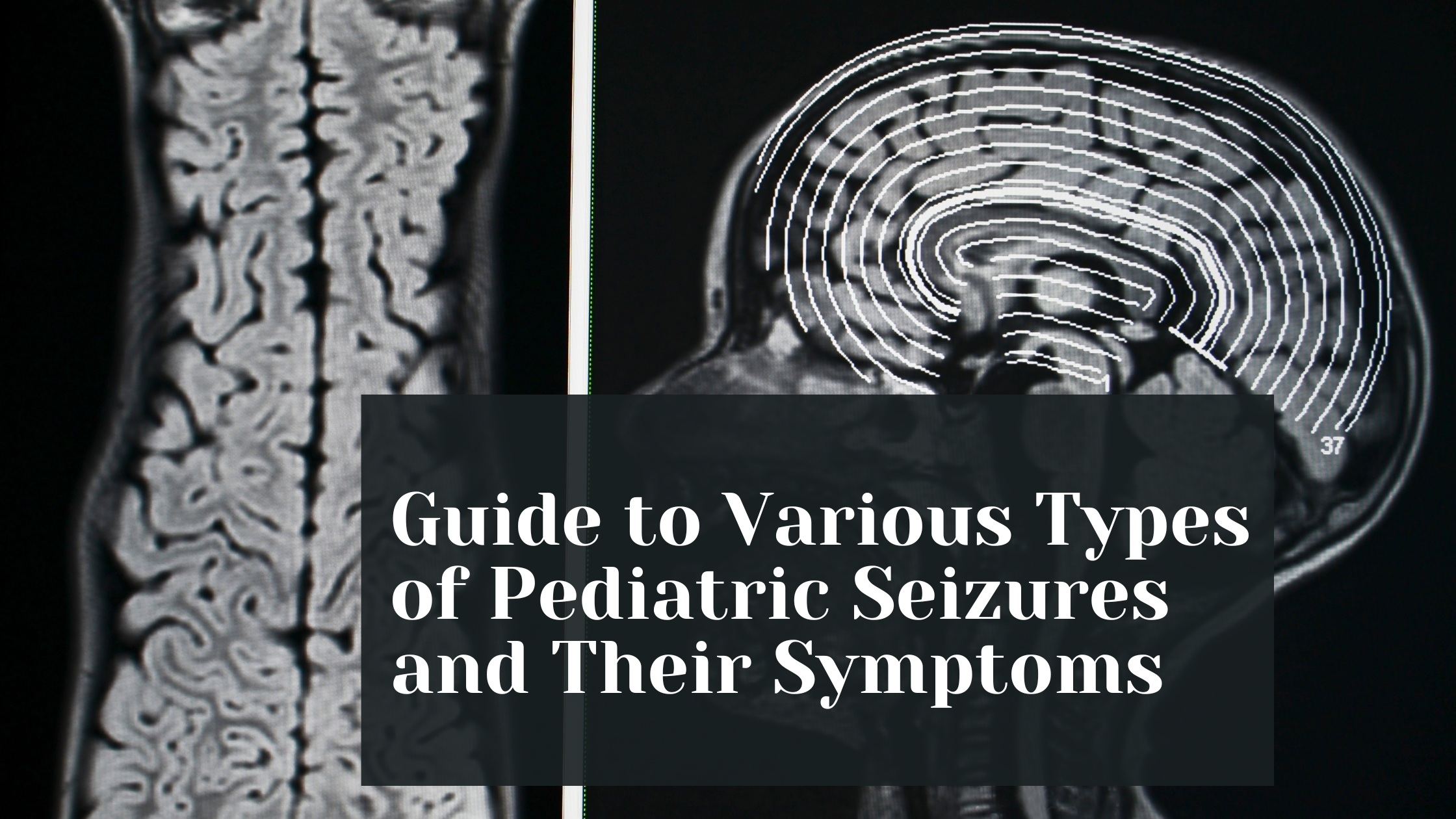
Guide to Various Types of Pediatric Seizures and Their Symptoms

Types of Seizures in Children: Symptoms, Causes & Treatment

The main types of seizures in children are focal seizures (starting in one area of the brain) and generalized seizures (involving both sides), plus special cases like febrile and neonatal seizures. Signs range from staring spells to full-body shaking. Most childhood seizures are treatable, and many children outgrow them. If you just watched your child […]

Read More
Pediatric Movement Disorder

5 Symptoms That Suggest You Should See a Pediatric Neurologist

One of the most common questions parents ask is: “When should a child see a neurologist?” Pediatric neurology can feel overwhelming, especially when trying to understand whether symptoms are serious or not. Parents often confuse neurologists with neurosurgeons, but their roles are different. A pediatric neurologist specializes in diagnosing and treating conditions that affect the […]

Read More
how doctors diagnose hydrocephalus

How Do Doctors Diagnose Hydrocephalus in Babies and Children? Signs, Tests & Treatment

Hydrocephalus is a condition where excess fluid builds up in the brain, causing pressure that can damage brain tissue. This condition can affect children of all ages, from newborns to older kids. Early diagnosis and treatment are crucial to prevent long-term complications. In this guide, we’ll walk you through the symptoms, diagnostic process, and treatment […]

Read More
Hydrocephalus in pregnancy

Hydrocephalus in Pregnancy: Causes, Prevention, Diagnosis & Treatment

Hydrocephalus is a medical condition where excess fluid builds up in the brain, sometimes developing even before birth. Families facing a prenatal diagnosis can receive specialized evaluation and treatment through our Hydrocephalus Center, where pediatric neurosurgeons provide comprehensive care from diagnosis through long-term management. While hydrocephalus can't always be prevented, hydrocephalus during pregnancy can be […]

Read More
spasticity in children

Understanding Spasticity in Children: Causes & Management Options

Spasticity is a common neurological condition in children that causes muscle stiffness, tightness, and difficulty with movement. It often affects a child’s mobility, posture, and daily activities. Understanding the causes and available treatment options helps parents seek timely and effective care. What Is Spasticity? Spasticity occurs when there is damage to the brain or spinal […]

Read More
Understanding the Neurological Basis of ADHD in Children

Understanding the Neurological Basis of ADHD in Children

Attention-Deficit/Hyperactivity Disorder (ADHD) is one of the most common neurodevelopmental conditions in children. While ADHD is often discussed in terms of behavior, its roots lie in how a child’s brain develops and functions. Understanding the neurological basis of ADHD can help parents recognize symptoms early and seek appropriate care. What Is ADHD? ADHD is a […]

Read More
Physical Therapy for Children with Cerebral Palsy

How Physical Therapy Helps Children With Cerebral Palsy Improve Mobility

Cerebral palsy (CP) is a neurological disorder that affects movement, balance, and posture. For children with CP, physical therapy plays a critical role in enhancing mobility, strengthening muscles, and promoting independence. At New Jersey Pediatric Neuroscience Institute (NJPNI), our pediatric specialists design individualized physical therapy programs that cater to each child’s unique abilities and challenges. […]

Read More
advances-in-pediatric-epilepsy-surgery

Advances in Pediatric Epilepsy Surgery: What Parents Should Know

Epilepsy affects thousands of children in New Jersey and worldwide. While medications control seizures for many, some children may not respond to traditional treatments. For these patients, pediatric epilepsy surgery has become a safe and effective option. Recent advances in surgical techniques, diagnostic imaging, and preoperative evaluations have dramatically improved outcomes. Parents play a crucial […]

Read More
1 2 3 4

NJPNI Office Locations

Schedule an Appointment Today

Caring for your child's well-being is our number one priority. 
Schedule an appointment with a world-class pediatric neurology and neurosurgery team at NJPNI now.
Schedule an Appointment Today

NOTICE: This website is for informational purposes only and is not intended as medical advice or as a substitute for a patient/physician relationship.

NJPNI is committed to creating a culturally diverse, inclusive and collaborative community for patients and their families, employees and associates where each person is celebrated and has a sense of equal belonging. See our DEI Statement Page for more information.

NJPNI does not exclude, deny benefits to, or otherwise discriminate against any person on the grounds of race, color, or national origin, or on the basis of disability or age in admission to, participation in, or receipt of the services and benefits of any of its programs and activities or in employment therein. This statement is in accordance with the provisions of Title VI of the Civil Rights Act of 1964, Section 504 of the Rehabilitation Act of 1973, the Age Discrimination Act of 1975, and Regulations of the U.S. Department of Health and Human Services issued pursuant to the Acts, Title 45 Code of Federal Regulations part 80, 84, and 91.

linkedin facebook pinterest youtube rss twitter instagram facebook-blank rss-blank linkedin-blank pinterest youtube twitter instagram