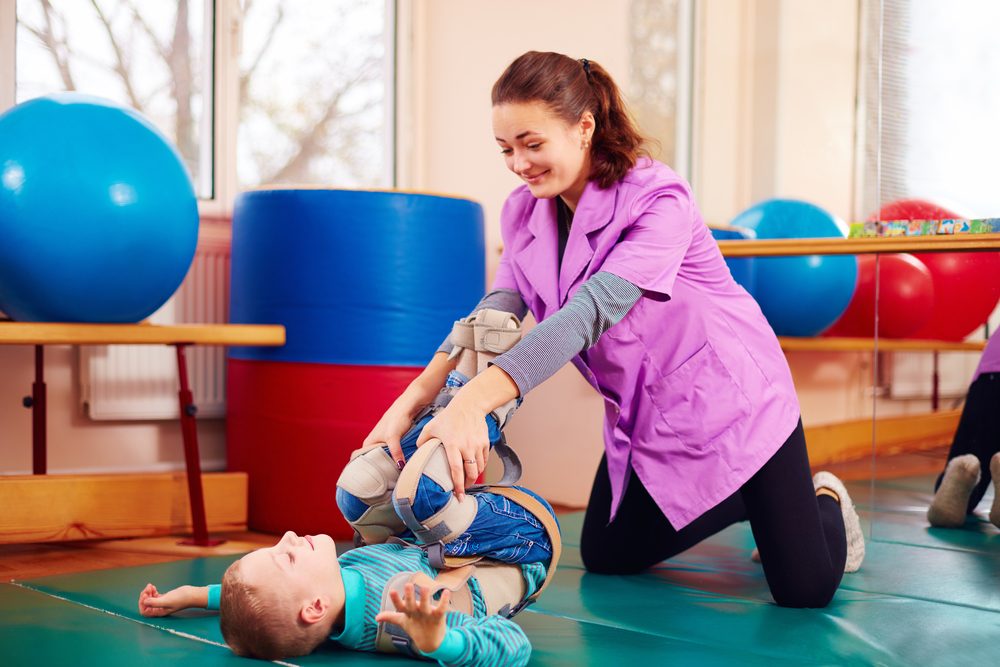
Cerebral palsy (CP) is a neurological disorder that affects movement, balance, and posture. For children with CP, physical therapy plays a critical role in enhancing mobility, strengthening muscles, and promoting independence.
At New Jersey Pediatric Neuroscience Institute (NJPNI), our pediatric specialists design individualized physical therapy programs that cater to each child’s unique abilities and challenges. Early and consistent therapy can significantly improve a child’s quality of life.
Benefits of Physical Therapy for Children with Cerebral Palsy
- Improved Muscle Strength and Flexibility
Therapists use targeted exercises to increase muscle strength, flexibility, and joint range of motion. This helps children perform daily activities more easily. - Enhanced Mobility and Balance
Balance training, gait exercises, and adaptive equipment help children move safely and independently, whether walking, crawling, or using assistive devices. - Prevention of Contractures and Deformities
Regular stretching and positioning prevent muscle shortening and joint stiffness, reducing the risk of long-term deformities. - Pain Management
Physical therapy can help reduce discomfort caused by muscle tightness or spasticity through therapeutic exercises and gentle stretching. - Functional Independence
Therapists teach children techniques to improve coordination, posture, and functional skills such as standing, walking, and self-care.
Types of Physical Therapy for Children with CP
- Neurodevelopmental Therapy (NDT):
Focuses on improving movement patterns, posture, and motor control through guided exercises.
- Strength and Conditioning Programs:
Customized routines to build muscle strength, endurance, and overall fitness.
- Gait Training and Mobility Exercises:
Helps children walk more efficiently, use mobility aids, or navigate daily environments safely.
- Hydrotherapy:
Water-based therapy reduces stress on joints and muscles while allowing children to move freely and practice exercises.
- Adaptive Equipment Training:
Therapists teach children and caregivers how to use braces, walkers, or wheelchairs effectively to enhance mobility.
Why Early Intervention Matters
Early physical therapy allows children with cerebral palsy to maximize their developmental potential. Timely intervention improves:
- Muscle function and strength
- Coordination and balance
- Independence in daily activities
- Overall quality of life
Help your child reach their full potential. Schedule a consultation with New Jersey Pediatric Neuroscience Institute to design a personalized physical therapy plan that improves mobility, strength, and independence.
Book an Appointment at NJPNI Today
FAQs: Physical Therapy for Children with Cerebral Palsy
Q1: How often should children with CP undergo physical therapy?
A1: Frequency depends on the child’s needs and severity of CP. Typically, 2–5 sessions per week are recommended.
Q2: Can physical therapy help prevent surgery for CP?
A2: While therapy may not prevent all surgeries, it can improve function, delay interventions, and reduce complications.
Q3: Is physical therapy painful for children with cerebral palsy?
A3: Therapy is generally safe and non-painful. Exercises are tailored to each child’s tolerance and abilities.
Q4: Can therapy be done at home?
A4: Yes. Therapists provide home exercise programs to supplement clinic sessions and ensure consistent progress.