
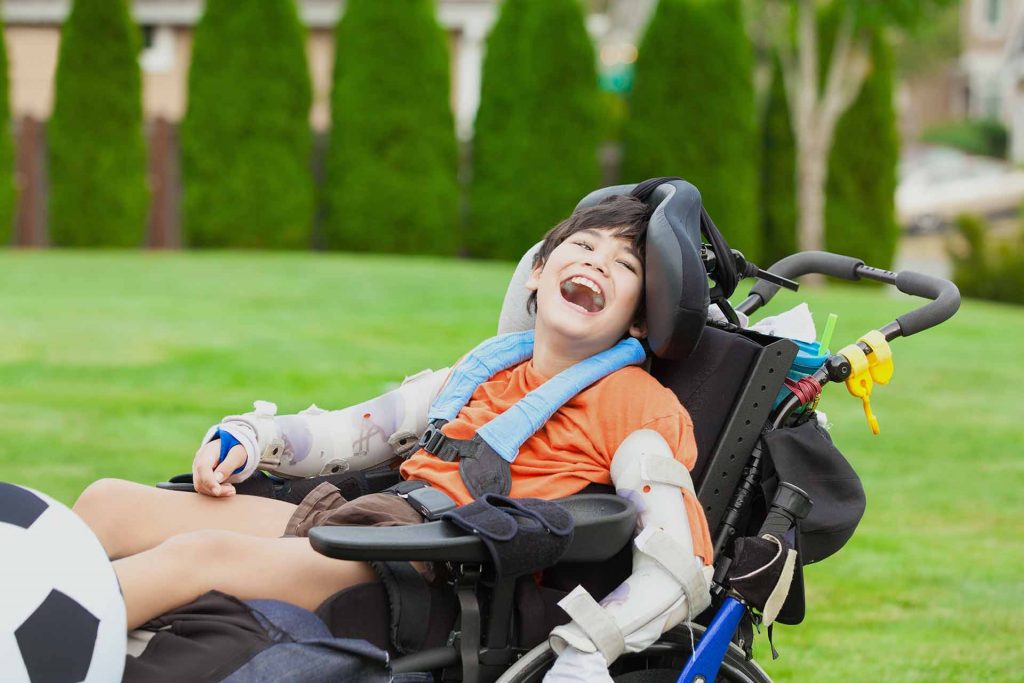
Cerebral palsy (CP) is one of the most common neurological conditions affecting children, yet it is often misunderstood by parents. Early diagnosis and timely treatment can significantly improve a child’s mobility, independence, and overall quality of life.
In this blog, we explain what cerebral palsy is, what causes it, early warning signs parents should watch for, and the most effective treatment options available today.
What Is Cerebral Palsy?
Cerebral palsy is a group of neurological disorders that affect a child’s ability to move, maintain posture, and control muscles. It is caused by abnormal brain development or brain injury, usually occurring before birth, during delivery, or shortly after birth.
Cerebral palsy is:
- Non-progressive (it does not worsen over time)
CP is non-progressive but symptoms can change
- Lifelong, but manageable with early intervention
- Different for every child in severity and symptoms
How Common Is Cerebral Palsy in Children?
- Cerebral palsy affects approximately 2-3 out of every 1,000 children
- It is the most common motor disability in childhood
- Symptoms may appear in infancy but are often diagnosed between 6 months and 2 years of age
Causes of Cerebral Palsy in Children
Cerebral palsy occurs due to damage to the developing brain, particularly the areas responsible for movement and coordination.
Common Causes Include:
1. Brain Injury Before Birth (Most Common)
- Infections during pregnancy
- Poor oxygen supply to the baby’s brain
- Abnormal brain development
- Genetic factors
2. Birth-Related Complications
- Premature birth (especially before 32 weeks)
- Low birth weight
- Significant lack of oxygen during labor/delivery (rare cause of CP, but can contribute in severe cases)
- Severe neonatal jaundice (kernicterus), which is rare
3. Brain Injury After Birth
- Head trauma
- Brain infections such as meningitis or encephalitis
- Stroke in infancy
Early Symptoms of Cerebral Palsy in Infants
Early signs of cerebral palsy may be subtle, which is why many parents notice “something feels off” before a diagnosis is made.
Common Early Warning Signs:
In Babies (0-12 Months)
- Poor head control
- Stiff or floppy muscle tone
- Delayed rolling, sitting, or crawling
- Favoring one side of the body
- Feeding difficulties
In Toddlers
- Delayed walking
- Walking on toes
- Stiff or scissoring legs
- Poor balance or coordination
- Difficulty with fine motor skills (grasping objects)
🚨 Important: If developmental milestones are delayed, early neurological evaluation is critical.
Read More Blogs: Top 6 Common Pediatric Neurological Conditions
Types of Cerebral Palsy
Cerebral palsy is classified based on movement patterns and affected body areas.
1. Spastic Cerebral Palsy (Most Common)
- Stiff muscles
- Difficulty with movement
- Poor coordination
2. Dyskinetic Cerebral Palsy
- Involuntary movements
- Difficulty controlling facial and limb muscles
3. Ataxic Cerebral Palsy
- Balance and coordination problems
- Shaky or unsteady movements
4. Mixed Cerebral Palsy
- Combination of symptoms from multiple types
How Is Cerebral Palsy Diagnosed?
There is no single test for cerebral palsy. Diagnosis involves clinical evaluation and imaging.
Diagnostic Process Includes:
- Detailed developmental history
- Neurological examination
- MRI or brain imaging
- Assessment of motor skills and reflexes
- Ongoing developmental monitoring
Early diagnosis allows treatment to begin during the most critical stages of brain development.
Best Treatment Options for Cerebral Palsy in Children
While cerebral palsy cannot be cured, early and comprehensive treatment can dramatically improve outcomes.
1. Physical Therapy
- Improves strength, flexibility, and movement
- Helps prevent joint stiffness and muscle shortening
- Essential for mobility development
2. Occupational Therapy
- Helps with daily activities such as feeding, dressing, and writing
- Improves fine motor skills and independence
3. Speech & Language Therapy
- Addresses speech delays
- Helps with swallowing and feeding difficulties
- Supports communication development
4. Medications
- Muscle relaxants for spasticity
- Treatments to reduce involuntary movements
- Seizure management if epilepsy is present
5. Orthopedic & Assistive Devices
- Braces, walkers, or wheelchairs
- Improve posture and mobility
- Prevent joint deformities
6. Surgical Interventions (When Needed)
- Orthopedic surgery for muscle or bone alignment
- Neurosurgical procedures for severe spasticity
- Considered only when conservative treatments are insufficient
Can Early Intervention Improve Outcomes?
Yes, early intervention is one of the most important factors in long-term success.
Children who begin therapy early often experience:
- Better mobility
- Improved communication skills
- Greater independence
- Reduced complications later in life
The brain is most adaptable during early childhood, making timely care crucial.
Living With Cerebral Palsy: What Parents Should Know
- Every child’s abilities and challenges are unique
- With proper care, many children lead fulfilling, active lives
- Emotional support for families is equally important
- Ongoing follow-up with pediatric neurology specialists ensures optimal care
When Should Parents See a Pediatric Neurologist?
You should seek evaluation if your child:
- Misses developmental milestones
- Has abnormal muscle tone
- Shows unusual movement patterns
- Has feeding or swallowing difficulties
- Displays developmental regression
Early consultation can provide clarity, reassurance, and a clear treatment plan.
Why Choose Specialized Pediatric Neurological Care in New Jersey?
Managing cerebral palsy requires a multidisciplinary pediatric neuroscience approach, including neurologists, neurosurgeons, therapists, and rehabilitation specialists.
At New Jersey Pediatric Neuroscience Institute, children receive:
- Expert pediatric neurological evaluations
- Advanced diagnostic imaging
- Individualized treatment plans
- Family-centered, compassionate care
Cerebral palsy is a lifelong condition, but early diagnosis, expert medical care, and consistent therapy can make a profound difference in a child’s development and quality of life.
If you have concerns about your child’s movement, muscle tone, or development, seeking expert evaluation early is the best step forward.
Schedule a Pediatric Neurology Consultation
New Jersey Pediatric Neuroscience Institute
Providing expert, compassionate neurological care for children across New Jersey.
Frequently Asked Questions (FAQs)
Is cerebral palsy progressive?
No. Cerebral palsy does not worsen over time, but symptoms may change as a child grows.
Can cerebral palsy be detected before birth?
In some cases, brain abnormalities may be seen on prenatal imaging, but most diagnoses occur after birth.
Will my child be able to walk?
Many children with cerebral palsy can walk, especially with early therapy and support.
Does cerebral palsy affect intelligence?
Not always. Many children with cerebral palsy have normal intelligence.